
Knox Thomas provides specialised electrical testing services to help you clear this obstacle.
The electrical testing requirements of EN 60204-1 Section 18 are often a daunting hurdle that stands in the way of getting a machine commissioned or placed on the market. Without in-depth knowledge, it’s hard to know exactly what’s required, let alone how to carry out the necessary rigorous testing, and yet getting this stage right is essential not only for compliance, but for the safety of everyone who will operate and maintain the equipment.
Understanding Client Needs
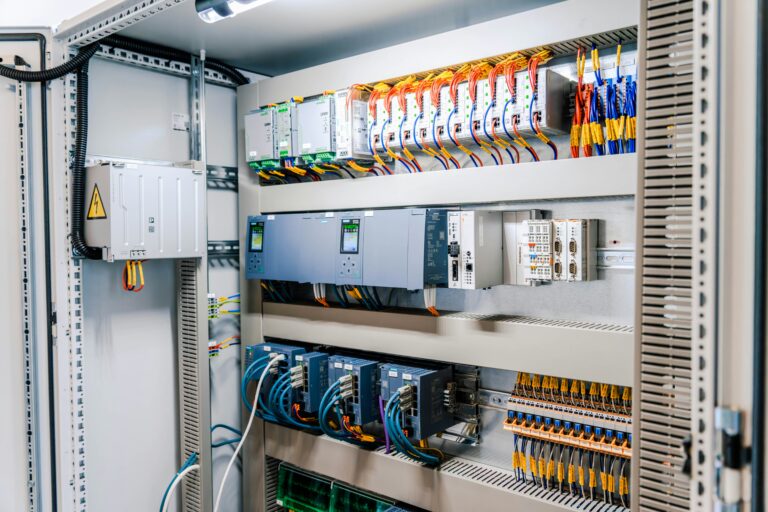
Every machine we look at is different, whether it’s a single unit, something portable by hand, or a group of machines working together as one system. We start by understanding your equipment and how electrical, electronic and programmable electronic equipment and systems interact within it. This lets us focus validation, verification, and testing effort where it adds real value, rather than working through a generic checklist.

Streamlining Verification
Our team has in-depth, practical knowledge of EN 60204-1 and the electrical testing it requires, as well as an understanding of the place of electrical safety within the broader context of machinery safety.
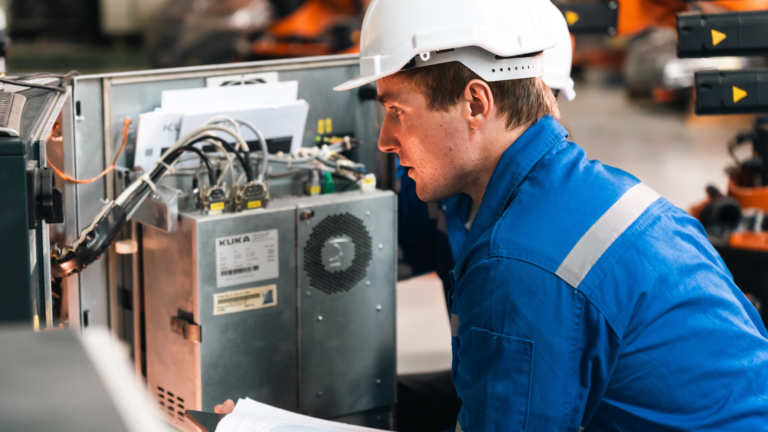
This allows us to carry out verification efficiently and correctly the first time, minimising downtime and avoiding the delays that come from incomplete or incorrectly sequenced testing.
Navigating the Complexity of the Standard
BS EN 60204-1 sits within a wider family of IEC and EN standards supporting the safety of machinery, and on its own it’s a substantial document. It covers matters ranging from the point of connection at the incoming supply, through control circuit protection, to the identification and colour coding of conductors inside the control panel.
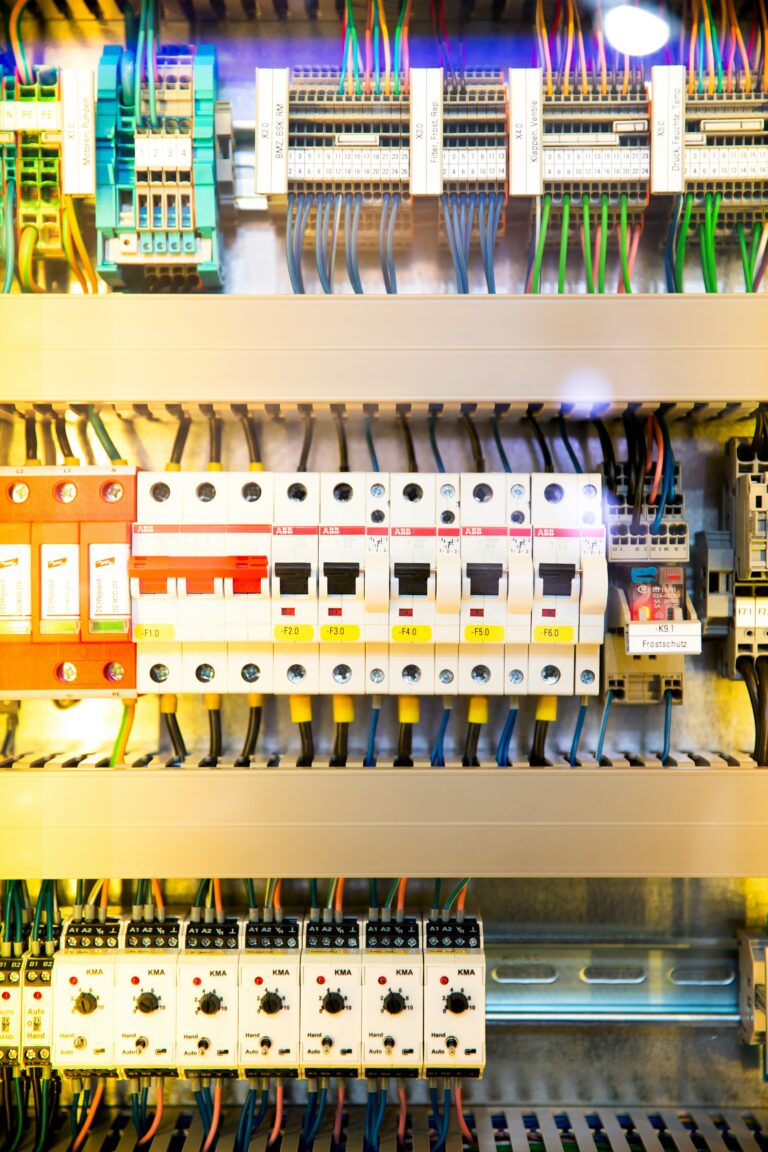
Verification against EN 60204-1 isn’t a simple read-through of a technical file, it involves short circuit current rating checks, functional testing of control circuits, and physical inspection of the installed electrical equipment.
Our Testing Services Cover:
01. Continuity of the Protective Bonding Circuit
We verify the continuity of the protective bonding circuit, confirming that all exposed conductive parts are correctly connected to the protective bonding circuit and that resistance values fall within the limits required by Section 18.2.
02. Insulation Resistance Testing
We test the insulation resistance of the electrical circuit against the protective bonding circuit, ensuring your equipment meets the minimum resistance values specified for the power and control circuits.
03. Voltage (Dielectric) Testing
We carry out voltage testing to confirm the electrical equipment can withstand the specified test voltage without breakdown, verifying the integrity of the insulation between live parts and the protective bonding circuit.
04. Protection Against Residual Voltages
We check that residual voltages are appropriately discharged following isolation, in line with the requirements for protection against electric shock.
05. Functional Testing
We verify that protective measures function correctly under real conditions, including checks on emergency stop circuits, interlocking devices, and other safety-related control functions.
06. Test Documentation and Reporting
We produce clear, structured test records and reports that form part of your technical file, giving you the documented evidence needed to support your Declaration of Conformity.
KnoxThomas’ “comprehensive understanding of applicable legislation enabled us to fulfill our customer requirements for certification of the machinery.”
How we can help?
For a free initial consultation simply book an appointment via our meeting system, or fill out the contact form to email us. We aim to respond to all enquiries within 24 hours.