Walk around a work premises long enough and you’ll likely find a hastily made sign, either warning of a hazard or giving an instruction. Apart from looking rudimentary, these A4-sized posters can end up being ambiguous and hard to read, particularly for non-native workers.
Ensuring your signs are compliant with BS EN ISO 7010 mitigates these issues, and ensures legal compliance with the Signs and Signals Regulations 1996.
In todays blog, I’ll explain more about what BS EN ISO 7010 actually is, and the benefits of compliance.
What Is BS EN ISO 7010?
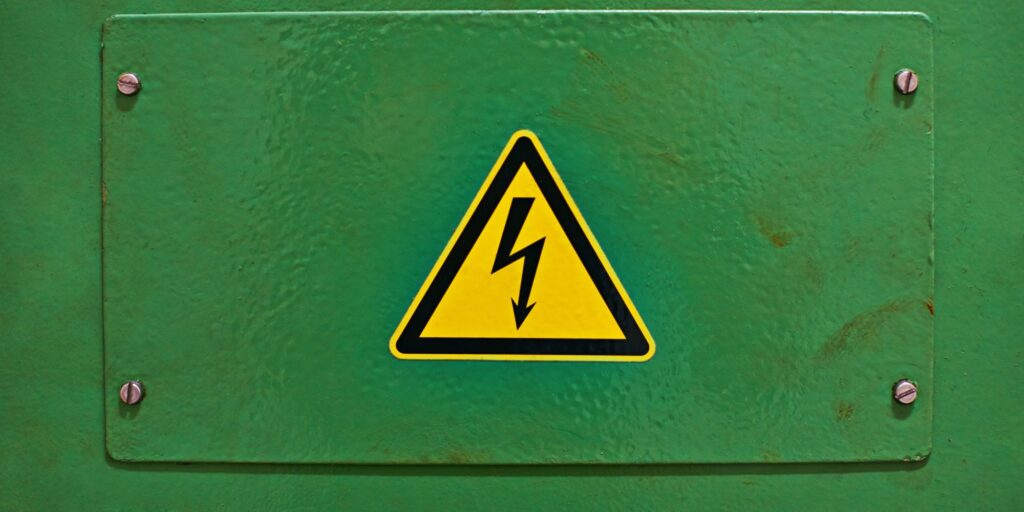
BS EN ISO 7010 is the UK-adopted version of the international standard, ISO 7010. In simple terms, it specifies standard symbols, shapes and colours for safety signage (see BSI Knowledge). The aim of the standard is to ensure that people (workers, visitors, contractors and public alike) can understand safety messages without needing to rely heavily on either text or language.
In some cases, BS EN ISO 7010 supersedes other legislation, or parts of it, for example the BS standard for fire safety signs, BS 5499 “Safety signs, including fire-safety signs”, (replaced in January 2013) which sets criteria for signage positioning and maintenance, and historically, graphic presentation (for more info, see the Fire Safety Advice Centre).
Key Characteristics
The standard sets out standardised sign characteristics. These are principally:
Shape and colour combinations
· Prohibitions are red circles with diagonal slash,
· Mandatory instructions are a blue circle,
· Warnings are a yellow triangle with rounded corners,
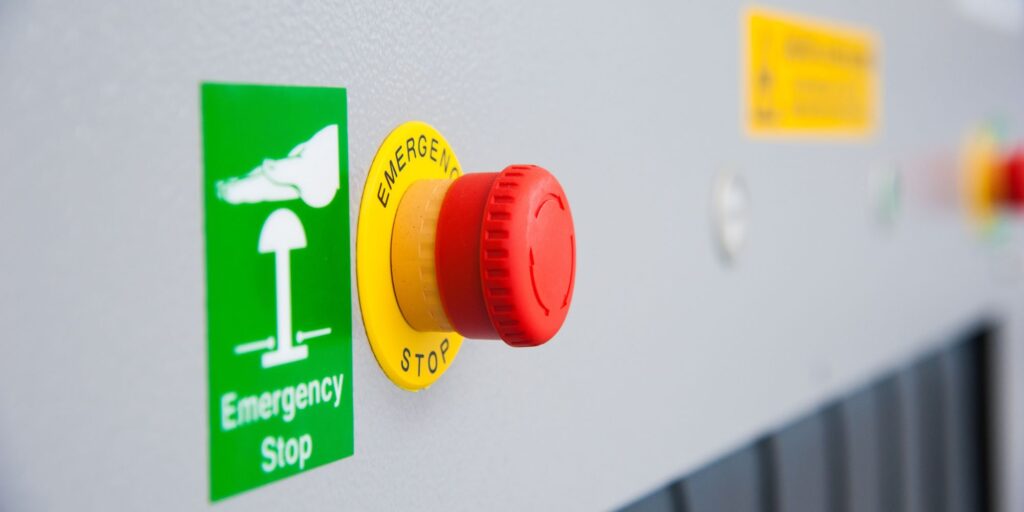
· Safe conditions (i.e. emergency equipment or fire exits) are greens squares or rectangles,
· Fire fighting equipment signs are red squares or triangles, but with different symbols than prohibition.
Graphical Symbols
· The signs must use a recognised pictogram as set out in the standard.
· Each pictogram has a unique reference code.
· The purpose of this is to minimise reliance on text.
· Note- all BS 5499 symbols have been replaced with subtly different variations found in BS EN ISO 7010. It’s important to verify this compliance when buying new signage.
There are other stipulations regarding BS EN ISO 7010 compliance, however as an end user, these are the key ones to know about.
Benefits of Effective Safety Signage
As is often the case, compliance with the “rules and regs” can seem like yet another thankless task with little benefit. After all, if you can print a sign on your own computer, isn’t that easier?
Not necessarily. Here’s why.
1. Reduces Ambiguity
Have you ever approached a motorway junction, and been completely overwhelmed by the sheer number of lane options, nearby towns, north or southbound options, closures, restrictions, etc? The jumble of ambiguous words, viewed at motorway speed, while navigating other traffic, particularly at night or in the rain, can be simply confusing and lead to costly mistakes.
Workplace signage, if busy, wordy, and ambiguous, has the same effect, especially when other factors such as panic in an emergency, noisy machinery, or site unfamiliarity are present- however BS EN ISO 7010 combats this. The sign colours, shapes and pictograms are all designed specifically to be easily understood, without the need for extensive wording. When safety matters, quick comprehension of instructions and information is crucial.
2. Universal Understanding
In an organisation with multiple sites, mobile workforces, visiting contractors or international visitors, having a “universal language” in the form of globally recognised signage, means that everyone is on the same page and understands safety critical information.
3. Safer Workplace
Here’s the crux of the matter: when everyone understands safety instructions, they able to avoid hazards and follow safety rules more effectively. And when things do go wrong, they’ll know how to get assistance or seek safety.
This helps to reduce accidents and near misses and avoid confusion during emergencies. Using proper signage also demonstrates your company commitment to Health and Safety, which will help boost your internal safety culture. So, with compliant signs, you’ll have a safer workplace.
4. Legal Compliance
As with so many H&S responsibilities, there is no specific legal mandate that all signs must be compliant with BS EN ISO 7010. However, there IS a responsibility to ensure that signage is clear and understandable, under the Safety Signs and Signals Regulations 1996. Using BS EN ISO 7010 compliant signage removes this liability and takes the thought process out of having to design your own signs.
Clear Signs With Knox Thomas
Despite the benefits of having compliant signage, achieving this can feel like a stressful and confusing time-suck. Knowing what signage is required, how it should appear, and where it should be positioned, can certainly tie a busy maintenance manager up in knots.
To remove this strain, ensure legal compliance, and make your workplace safer, we’ll be happy to audit your signage for BS EN ISO 7010 compliance, and make recommendations for additional signage. We can do this as a standalone audit or incorporate it into a larger scale project.
To discuss how we can help you ensure that your signs are BS EN ISO 7010 compliant, give us a call today.